Drag On Studio
SHOWREEL / VISUAL PRODUCTION
DRAG ON STUDIO · NAPLES · ITALY

IDEAS NEED DIRECTION.IMAGES NEED MEANING.SUCCESS NEEDS BOTH.

We are a communication agency in Naples. We bring strategy, design and production together to shape your identity, website and brand content.

StrategyVisual productionDigital systems
00 / SERVICES

Specialist expertise,coordinated as one system.

From defining objectives to producing finished materials, we coordinate content, identity and digital tools. A project can bring several disciplines together or focus on a single piece of work, with agreed activities and priorities.

10 SERVICES, ONE TEAM

Open a service to explore the work, process and deliverables.

01 / Web and trainingWebsite developmentWe design business and professional websites that make services, content and contact details easy to understand.Explore the serviceClose details

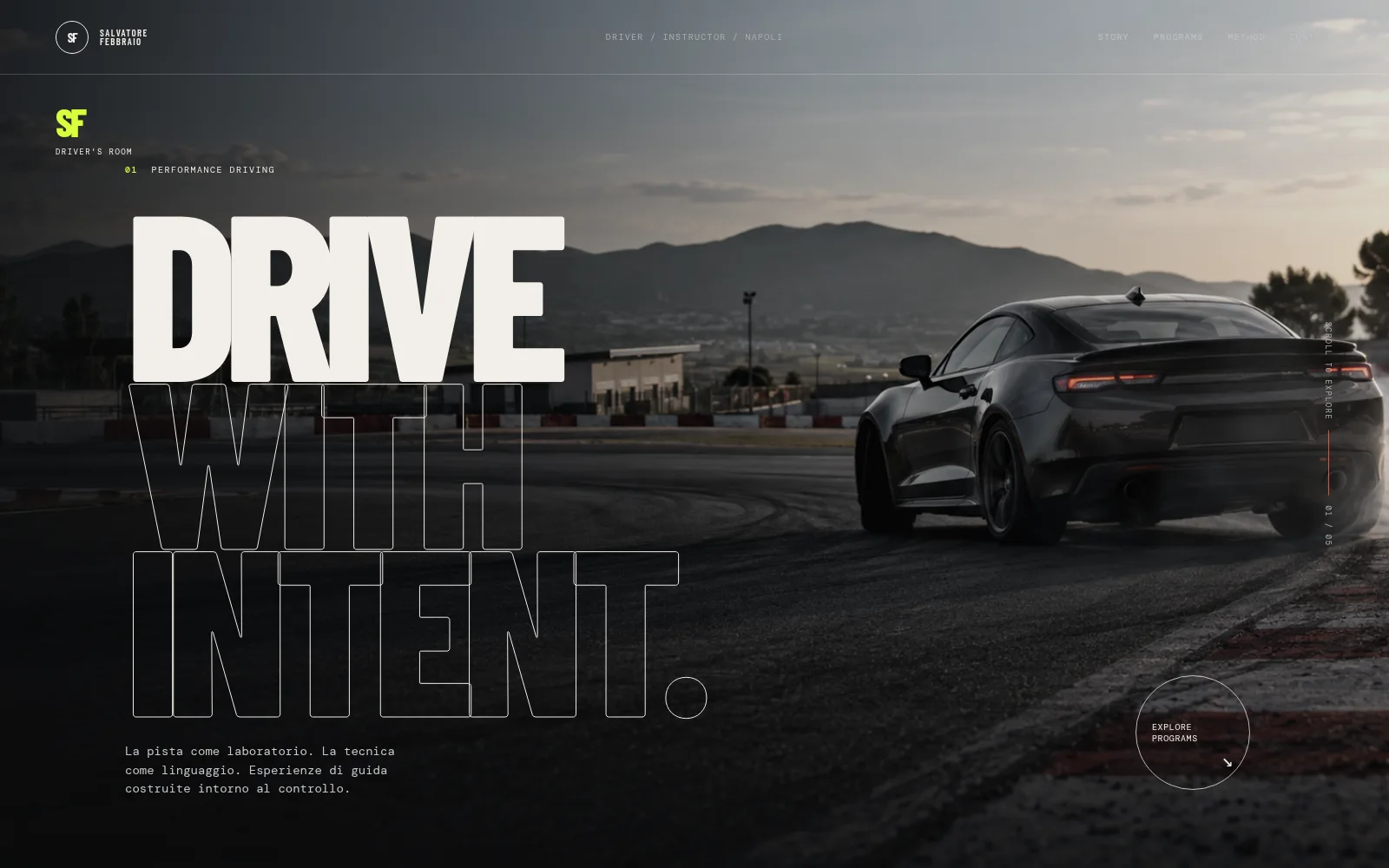
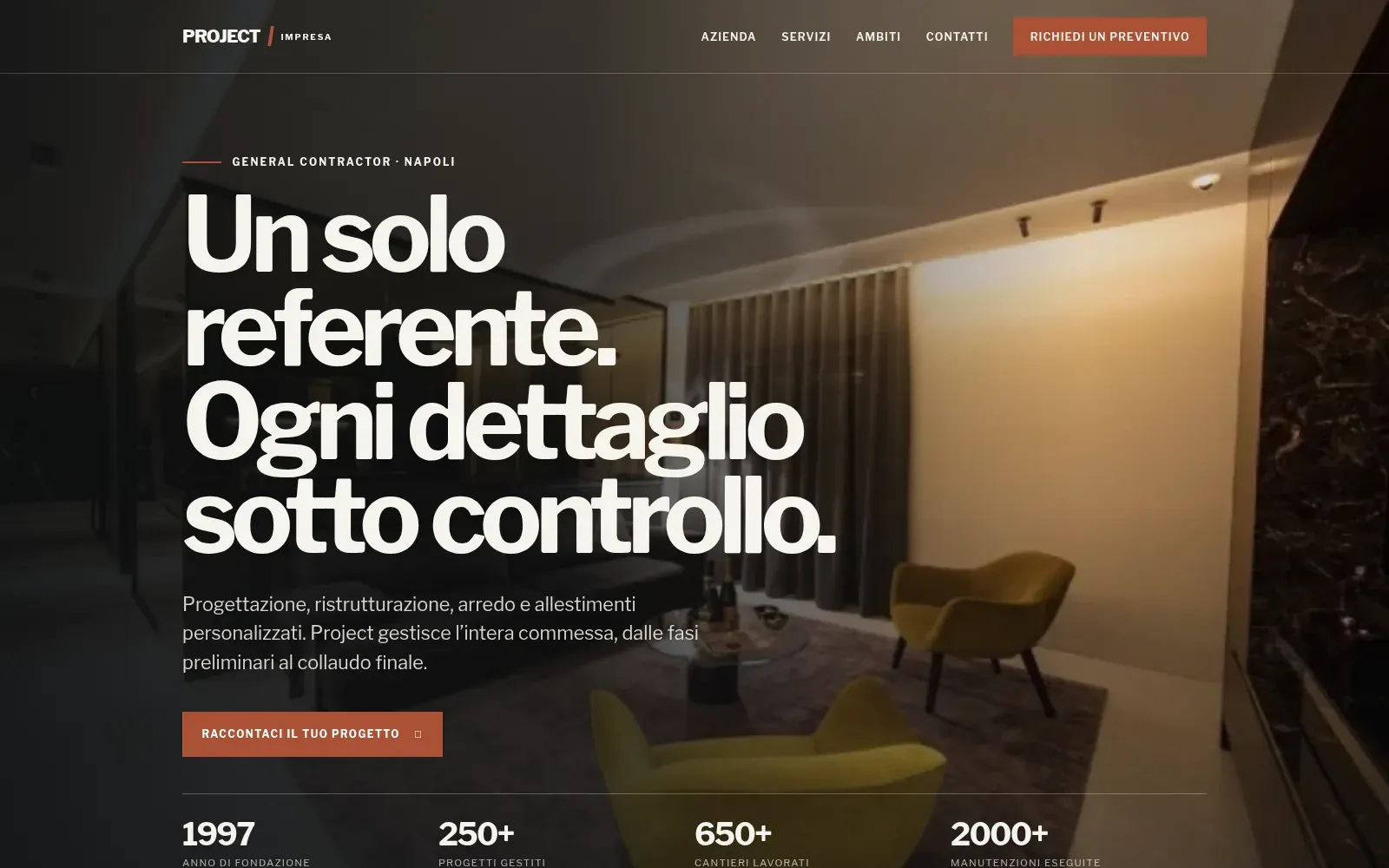
A website needs to explain a business and help visitors find information and make contact. Our Naples studio brings content structure, interface design and development into one process, from the pages required to desktop and mobile checks. Projectimpresa and Salvatore Febbraio show how navigation and content change between a company and an individual professional.

When it helps

Useful when your website no longer reflects the business, information is hard to find or you need a new digital presence. The initial discussion establishes who will use it and which actions it should make straightforward.

How we work

  1. Structure and journeys

    We start with the business, its audiences and available content. We define pages, information hierarchy and the journeys that lead visitors to a service or an enquiry.

  2. Design and development

    We design the interface, components and navigation around the visual identity. Development turns the design into responsive pages with the functionality and integrations established in the brief.

  3. Review and launch

    We check readability, links, forms and behaviour on mobile and desktop. Before launch we address performance, heading structure and metadata. Updating arrangements and ongoing support are agreed as part of the project.

What you receive

You receive a website with the agreed structure, pages and functionality, checked across its main journeys. Design, content and development are coordinated so visitors can understand your offer, explore it and find a direct way to contact you.

  • Page and content architecture
  • Interface design and responsive development
  • Functional, performance and technical SEO checks

Getting started

We start with the information and materials you already have. The initial conversation helps clarify what still needs to be defined.

  • Website objectives and audiences
  • Available pages, copy and images
  • Required functions and integrations
  • Domain and current setup

Common questions

What do we need to get started?

An outline of the business, the website’s objective, the services or products to present and any existing materials. The initial discussion also establishes priorities and indicative timing.

Does the project cover mobile use?

Responsive development and desktop and mobile checks are part of the service described. We review navigation, readability and components at different screen sizes.

How is a website different from an online shop?

A website can present services and support enquiries. An online shop adds a catalogue, product pages and a purchase journey. We define the scope around the functions the project needs.

The work in practice

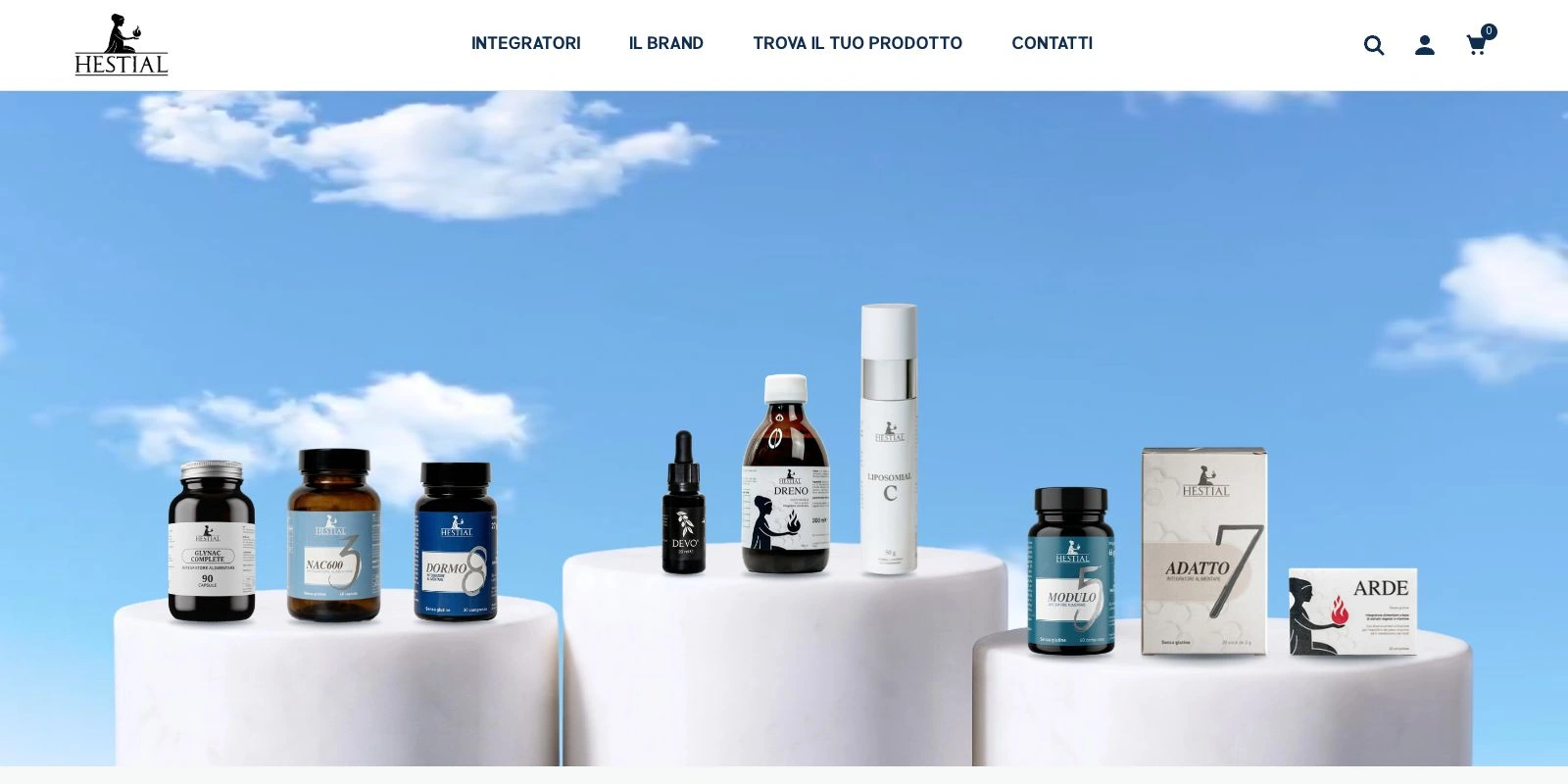
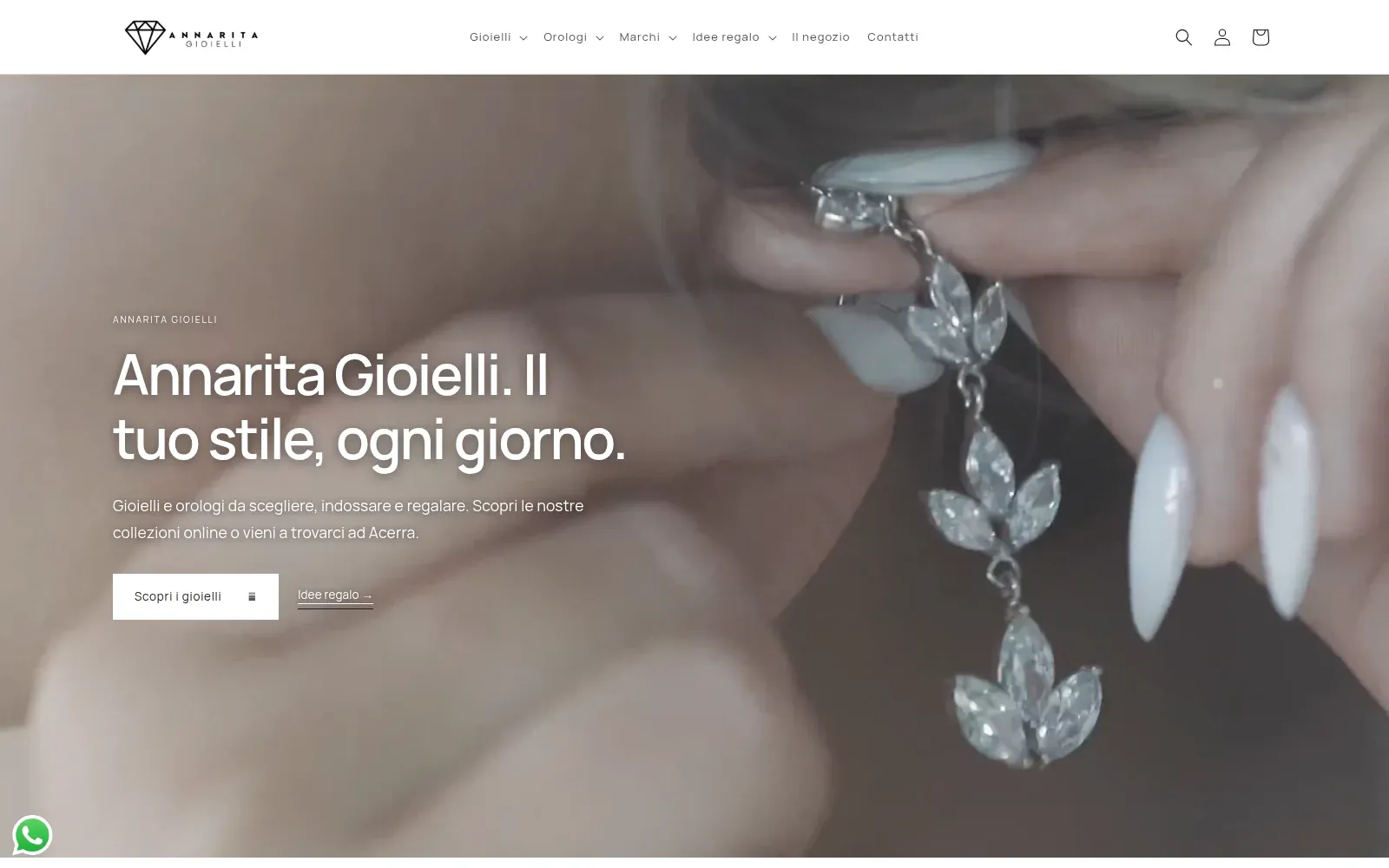
Projectimpresa — corporate website Salvatore Febbraio — performance driving website Annarita Gioielli — ecommerce Hestial — ecommerce and catalogue guide
02 / Web and trainingEcommerceWe develop ecommerce websites that connect brand identity, catalogue structure and purchasing.Explore the serviceClose details

Choosing a product depends on clear images, information and options. We design ecommerce websites by connecting brand identity with catalogue structure and shop functionality. Annarita Gioielli on Shopify and Hestial on WordPress and WooCommerce show two approaches to organising content, browsing products and buying online.

When it helps

For businesses starting online sales or reorganising an existing shop. Particularly useful when products, variants and commercial information need a clearer structure for customers and the people managing the catalogue.

How we work

  1. Catalogue and organisation

    We review categories, variants and the information customers need to choose. We establish how products and collections should be presented and which materials are needed for complete, consistent product pages.

  2. Interface and configuration

    We design pages, navigation and product details, then configure the platform and agreed integrations. Annarita Gioielli and Hestial document our work with Shopify and WordPress with WooCommerce respectively.

  3. Purchasing and management

    We check selections, cart behaviour and the purchasing steps included in the project, including on phones. We provide practical guidance for the content and updates covered by the handover.

What you receive

The project delivers a shop aligned with the brand, an organised catalogue and a checked purchase journey. Payments, shipping, integrations and product entry are specified in the scope, with clear responsibilities and materials to prepare.

  • Catalogue structure and product pages
  • Shop configuration and agreed integrations
  • Desktop and mobile purchase journey checks

Getting started

We start with the information and materials you already have. The initial conversation helps clarify what still needs to be defined.

  • Products, variants and prices
  • Product photography and descriptions
  • Shipping and payment requirements
  • Management tools to integrate

Common questions

Do you work with Shopify and WooCommerce?

Our portfolio includes Annarita Gioielli on Shopify and Hestial on WordPress and WooCommerce. For a new project, we discuss the platform in relation to the catalogue, content and required functions.

What product information is needed?

Categories, names, specifications, images and purchase options are the starting point. Product pages are structured around the catalogue and the information customers need to choose.

Which integrations are included?

Integrations are defined within the project scope. The brief should identify the tools already in use and the processes that need to connect with the shop.

The work in practice

Annarita Gioielli — ecommerce Hestial — ecommerce and catalogue guide
03 / Strategy and identityCommunication campaigns for SMEsWe build communication campaigns for SMEs around a specific objective.Explore the serviceClose details

Presenting an offer or introducing a business calls for a message that stays recognisable across formats. We develop SME campaigns around objectives, audiences and available resources. Concepts, copy and key visuals are developed together, then adapted to the channels included in the campaign plan.

When it helps

When you need to introduce an offer, launch a product, communicate a change or sustain a promotion. The campaign starts with a defined audience and a message the business can support.

How we work

  1. Objective and message

    We gather information about the offer, audience and context. We establish the core message, priorities and the channels where the campaign needs to appear.

  2. Concept and production

    We develop the creative direction, copy and visual system. We produce the agreed adaptations to keep the campaign recognisable and understandable across formats.

  3. Delivery and coordination

    We organise the materials and usage guidance around the planned stages. The proposal distinguishes production, publication and advertising activities so the operational scope is clear.

What you receive

You receive a creative proposal and the agreed materials, with consistent messaging across formats. The work establishes what to communicate, where and in which sequence. Media planning, advertising budgets and ad management are defined explicitly in the brief.

  • Campaign concept and messages
  • Key visuals, copy and format adaptations
  • Plan for agreed materials and releases

Getting started

We start with the information and materials you already have. The initial conversation helps clarify what still needs to be defined.

  • Campaign objective and offer
  • Audience and relevant area
  • Channels, budget and timing
  • Existing brand materials

Common questions

Where does an SME campaign start?

With a specific business objective: presenting an offer, explaining the activity or introducing a project. Audience, resources and timing help define the scope.

Does a campaign need every channel?

The plan identifies relevant channels according to the audience and the materials required. The service covers adaptations for the channels agreed within the project.

Are ad management and media spend included?

The service described covers campaign planning, concepts, copy and materials. Media buying or ad management should be identified in the brief and explicitly defined in the proposal if required.

04 / Content and productionAI content creationWe create AI images, settings and video under a defined creative direction.Explore the serviceClose details

We create AI imagery, environments and video sequences from references and a defined creative direction. Generation, selection and post-production establish continuity across composition, products and visual language. Our portfolio concepts explore perfume, food and jewellery, including comparisons with source photographs where available.

When it helps

For exploring a concept, placing a product in a setting or developing a recognisable visual series. We first assess the available references and the fidelity required for shapes, materials and details.

How we work

  1. References and direction

    We define the subject, context and visual language. We review source materials and agree what must stay recognisable, which variations to explore and where the content will be used.

  2. Generation and selection

    We develop proposals using AI tools suited to the project. Selection considers the concept, composition and continuity between images, with revisions to the details that matter.

  3. Post-production and formats

    We refine the selected content and adapt it to the agreed formats. For video sequences we coordinate rhythm, imagery and any graphic elements, checking the outcome against its intended use.

What you receive

You receive selected, finished content in the agreed formats. Reviews consider composition, continuity and subject details. The portfolio distinguishes AI concepts from commissioned work. Intended use and the checks required are established before production.

  • Series concept and creative direction
  • Agreed imagery, environments or video sequences
  • Post-production and format adaptations

Getting started

We start with the information and materials you already have. The initial conversation helps clarify what still needs to be defined.

  • Product and visual references
  • Source photographs or materials
  • Intended channels and formats
  • Details that must remain accurate

Common questions

Are the portfolio’s AI projects commissioned brand campaigns?

The perfume pages present AI concepts and visual research. A product’s appearance within a concept is not presented as evidence of a commercial commission from that brand.

Can you work from existing photographs?

The food and jewellery collections include work developed from reference photographs. The brief establishes available materials and the product features that need to remain recognisable.

What checks accompany production?

Selection and post-production address composition, detail and visual continuity. Materials are reviewed against the brief and the product features that need to remain recognisable.

The work in practice

Black Afgano — AI visual concept Nicocello — citrus AI concept Nishane — woodland AI concept Xerjoff — light and desert AI concept Food — AI imagery and settings Jewellery — AI imagery and product settings
05 / Strategy and identityStrategy, marketing and communicationWe clarify positioning, audiences and messages to give communication a direction.Explore the serviceClose details

Before producing new materials, it helps to establish the audience, offer and objectives. Drag On Studio works with businesses in Italy to organise positioning and communication. The plan connects messages, tone and channels with subsequent design and production decisions, using shared priorities and review criteria.

When it helps

When initiatives feel disconnected, positioning needs clarification or the business is entering a new phase. It provides a starting point for deciding which changes make sense and the order in which to address them.

How we work

  1. Listening and analysis

    We explore the business, its offer and audiences. We review existing materials and channels to identify strengths, inconsistencies and information that needs clarification.

  2. Positioning and messages

    We define the role of the brand, the subjects to communicate and an appropriate tone. We connect these decisions to the needs of the people the business wants to reach.

  3. Priorities and plan

    We turn the analysis into activities, channels and content to develop. The proposal sets a manageable sequence of work and identifies what to observe when reviewing decisions over time.

What you receive

You receive practical guidance for subsequent work: audiences, value proposition, messages, priorities and channels. The plan connects objectives with available resources and gives the people handling design, content and production a shared reference.

  • Business analysis and positioning
  • Message architecture and communication plan
  • Editorial direction, KPIs and review criteria

Getting started

We start with the information and materials you already have. The initial conversation helps clarify what still needs to be defined.

  • Business, offer and objectives
  • Audience and market context
  • Existing communication materials
  • Resources and operational priorities

Common questions

How is strategy different from a campaign?

Strategy organises positioning, messages and channels within the wider business context. A campaign develops a specific objective through concepts, materials and coordinated releases.

Do we need an existing marketing plan?

The work can start with an analysis of existing communication. Bring the materials and objectives available; the initial discussion helps identify the priorities to address.

How is the work evaluated?

KPIs and criteria are chosen around the agreed objectives. Available data and the activities that can be assessed need to be considered before setting numerical targets.

06 / Content and productionSocial media managementWe organise social media activity through channel strategy, editorial planning and content production.Explore the serviceClose details

A social media presence needs themes, formats and a publishing rhythm the business can support. We develop channel strategy and editorial calendars, produce copy and visual adaptations, and coordinate publishing. Instagram, Facebook and other relevant channels are considered within the brand’s wider communication.

When it helps

For businesses and professionals seeking a more organised presence or help coordinating content, reviews and publication. The work starts with useful channels, intended audiences and the materials the business can provide.

How we work

  1. Channels and content

    We review the existing presence and define the role of each selected channel. We establish themes, tone and formats around the objectives, recognising the different purposes of each platform.

  2. Planning and production

    We organise the editorial calendar and develop the agreed content. Copy, images and video follow a common direction, with a designated contact and clear approval stages.

  3. Publication and review

    We handle the agreed publishing activities and review available data to refine themes and formats. Observations are related to the work and its context, without promises of automatic growth.

What you receive

The service establishes an editorial plan and a workflow for content and approvals. Frequency, channels, formats, publication and data reviews are agreed together. Messages, moderation and paid campaigns require their own defined scope.

  • Channel strategy and editorial calendar
  • Copy, filming, graphic design, editing and AI and non-AI content
  • Management and publishing under the agreed plan

Getting started

We start with the information and materials you already have. The initial conversation helps clarify what still needs to be defined.

  • Existing social channels
  • Objectives and audiences
  • Materials and business calendar
  • A contact for reviews and approvals

Common questions

Which social channels do you manage?

The service considers Instagram, Facebook and other channels relevant to the project. Selection starts with the audience, objectives and available content.

How many posts are included each month?

Frequency is defined in the project’s editorial calendar. A proposal requires a discussion of channels, formats, materials and the continuity of production.

Does management include paid campaigns?

Editorial management and publishing are the activities described here. Advertising campaigns and work on ads must be explicitly defined within the proposal’s scope.

07 / Strategy and identityBrand Identity and Graphic DesignWe design brand identities and their applications: logo, typography, colour and graphic rules.Explore the serviceClose details

Visual identity takes shape through the way a brand is applied: typography, colour, hierarchy and composition need to work together. We design systems and communication materials around their context and intended uses. Application guidelines collect the references needed to keep digital, editorial and printed materials consistent.

When it helps

When launching a brand, when an existing identity no longer represents the business or when materials communicate inconsistently. The project can cover a complete identity or the development of an existing visual system.

How we work

  1. Identity and context

    We gather information about the business, audience and positioning. We assess the existing identity and the situations in which it will be used, from small formats to presentation materials.

  2. Visual system

    We develop the graphic direction and agreed elements: logo, typography, palette and composition. Decisions are tested against the real applications included in the project.

  3. Applications and guidelines

    We prepare the included materials and organise the final files with practical usage guidance. The guidelines document the system to support consistent application in subsequent work.

What you receive

You receive the agreed identity elements and applications, accompanied by usage guidance. The system helps people producing materials maintain hierarchy, proportion and recognition. The number of proposals and included applications are established in the brief.

  • Identity, typography and colour system
  • Visual system and agreed applications
  • Guidelines for communication materials

Getting started

We start with the information and materials you already have. The initial conversation helps clarify what still needs to be defined.

  • Positioning and audiences
  • Existing logo and materials
  • Media and usage contexts
  • References and practical constraints

Common questions

Is the service only about a logo?

The work described considers identity as a system: the mark, typography, colour, hierarchy and applications. The brief defines which activities are needed.

Can you start from an existing brand?

The first step is to analyse the brand context and intended uses. Sharing existing elements helps establish which materials and applications to develop.

What materials are delivered?

The visual system, guidelines and applications depend on the project. The brief identifies the digital, editorial or printed media where the system will be used.

08 / Content and productionVideo and Motion DesignWe develop video edits and animation that give a message a clear form.Explore the serviceClose details

Rhythm, images and text shape how a message is followed during playback. We develop concepts, editing and animation around the product or idea to present. Work can include reels, teasers, showreels and motion identity, finalised for the formats and contexts agreed in the brief.

When it helps

When a product, service or project needs an explanation in motion, or existing materials need to become a clearer story. We establish the release channels and the role of the video from the start.

How we work

  1. Message and sequence

    We define what the video needs to communicate and in which order. We organise the sequence, references and available materials, clarifying which elements need to be produced or added.

  2. Editing and animation

    We work on pacing, image selection and the movement of graphic elements. Copy, transitions and animation follow the brand identity and the intended use of the content.

  3. Review and export

    We check readability, continuity and performance in the planned formats. We finish the agreed versions, including audio and subtitles where specified, and prepare the files for publication.

What you receive

You receive the agreed video or animations in the versions specified for the chosen channels. Formats, durations, subtitles and adaptations are defined before production. Filming, voice-over, music and licensing are assessed against the materials and project budget.

  • Concept and content sequence
  • Agreed editing and animation
  • Final materials for the intended contexts

Getting started

We start with the information and materials you already have. The initial conversation helps clarify what still needs to be defined.

  • Message and intended use
  • Footage, images and visual identity
  • Required durations and formats
  • Audio and subtitle requirements

Common questions

What types of video does the service cover?

Work can include showreels, teasers, reels, social content and motion identity. The brief defines which materials and formats are needed.

Does it include photography or filming?

The current description covers concepts, editing, motion design and finalisation. Filming or production on set should be identified in the brief and proposal if required.

Can one piece be prepared in different formats?

Finalisation prepares materials for agreed contexts, such as social media, websites and presentations. Required adaptations are defined alongside the content and message.

09 / Content and productionEditorial productionWe design magazines, catalogues, brochures and institutional publications.Explore the serviceClose details

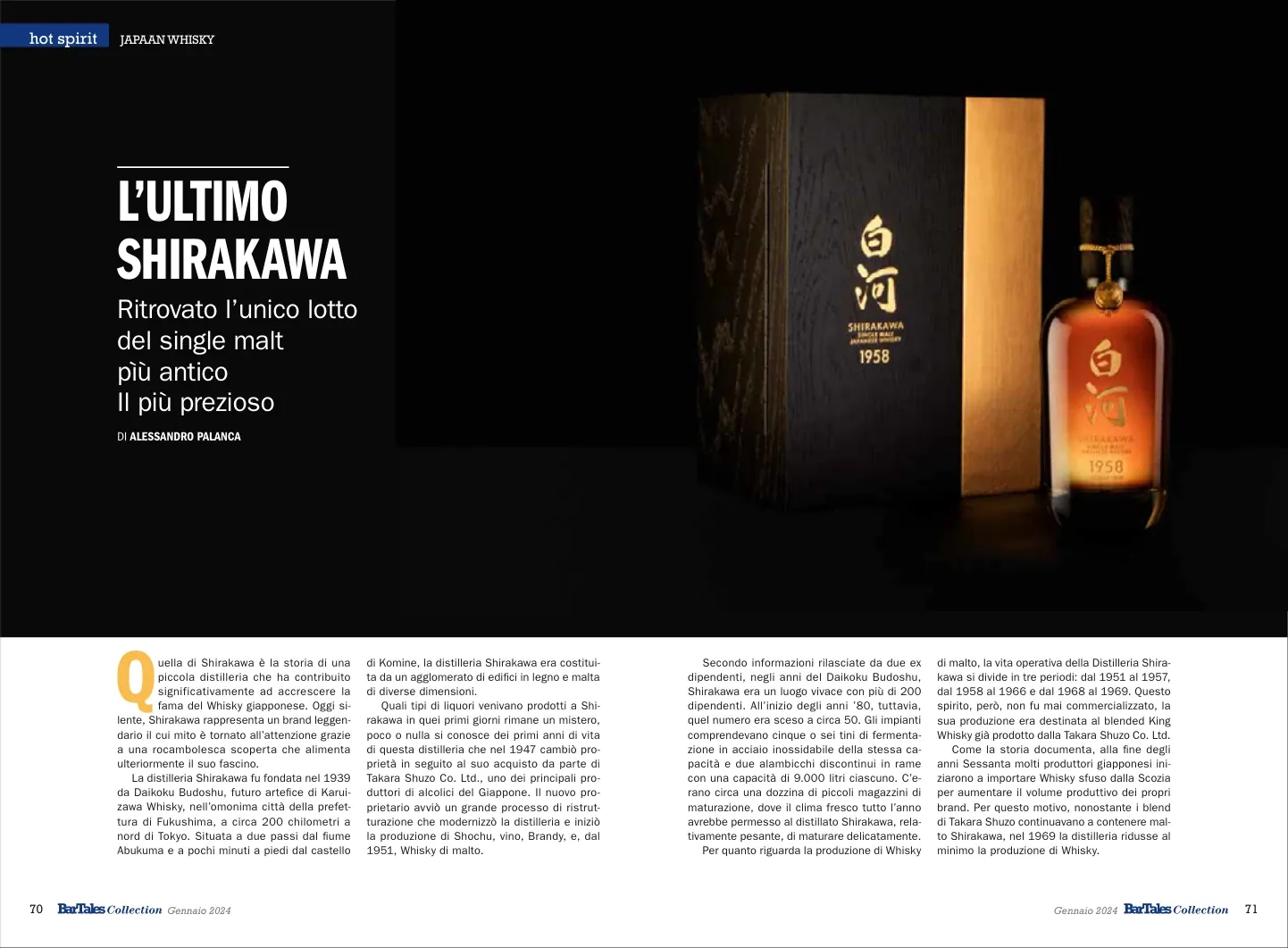
A publication needs to support both reading and consultation. We design concepts, grids and hierarchies to organise text and images in magazines, catalogues, brochures and institutional materials. Bartales, Campania Teatro Festival and other portfolio publications show different approaches to text volume, bilingual content and the rhythm of imagery.

When it helps

For substantial content that needs to become a readable, recognisable publication: a catalogue, cultural programme, company brochure or magazine. The work considers volume, languages, images and distribution.

How we work

  1. Editorial structure

    We review the contents, copy and images to define format, order and hierarchy. We establish the reading system and the rules for recurring content or multilingual versions.

  2. Design and layout

    We design grids, typography and the relationship between text and images. Layout applies the system throughout the publication, with organised reviews for consistency and completeness.

  3. Checks and handover

    We check copy, cross-references, images and technical file requirements. We prepare production files to the specifications agreed with the project contact and, where included, the print supplier.

What you receive

You receive the editorial design and agreed delivery files for print or digital distribution. Layout, reviews and technical preparation follow shared stages. Printing, translation, copy production and image management are specified around the actual requirements.

  • Editorial concept, grid and hierarchy
  • Text and image layout
  • Final artwork and preparation of print files

Getting started

We start with the information and materials you already have. The initial conversation helps clarify what still needs to be defined.

  • Contents structure and volume
  • Approved copy and languages
  • Images and credits
  • Format, medium and distribution

Common questions

What publications do you design?

The service covers magazines, catalogues, brochures, company profiles and institutional publications. Portfolio work includes cultural and food publications and a beverage and lifestyle magazine.

Can you organise bilingual content?

Authentica, Fondazione Campania dei Festival, Quartieri di Vita and Pepe in Grani include bilingual content. The layout organises supplied materials in the languages specified in the brief.

Is printing included?

The service description covers final artwork and preparation of print files. Printing itself should be clarified separately in the quotation if required.

The work in practice

Bartales — magazine editorial design Campania Teatro Festival — catalogue and programme Authentica — gastronomic brochure Fondazione Campania dei Festival — institutional publication Quartieri di Vita — cultural booklet Pepe in Grani — brand editorial storytelling
10 / Web and trainingProfessional trainingWe design training on Adobe tools and AI workflows connected to everyday work.Explore the serviceClose details

Tools become useful when they fit the working process. We design Adobe courses and AI workshops around required skills, the tools in use and participants’ experience. Exercises, learning materials and tailored workflows connect the programme with the team’s practical activities.

When it helps

For teams, professionals and organisations looking to consolidate skills, update a workflow or introduce new tools. Objectives and the programme are shaped around the starting level and the work participants need to do.

How we work

  1. Needs and starting level

    We gather the group’s requirements and current tools. We define practical objectives, prerequisites and the activities through which learning can be assessed.

  2. Programme and exercises

    We organise content and pacing around participants’ experience. Explanations and demonstrations are accompanied by exercises that fit the agreed materials and workflows.

  3. Application and discussion

    Exercises create opportunities to discuss questions, correct steps and apply the tools. A final review helps identify areas to consolidate and possible directions for further training.

What you receive

You receive a programme with agreed objectives, content and exercises. The aim is to make the skills applicable to the group’s work. Duration, delivery format, materials and tools are established before training starts. Any certificates require a specific agreement.

  • Programme based on required skills
  • Practical exercises and learning materials
  • Workflows tailored to the working context

Getting started

We start with the information and materials you already have. The initial conversation helps clarify what still needs to be defined.

  • Participants’ roles and skills
  • Available tools and versions
  • Work to practise on
  • Objectives and group availability

Common questions

Who is the training for?

The programme is designed around participants’ experience and the team’s or organisation’s activities. Useful starting information includes tools in use, skills to develop and processes to address.

Is the programme standard or tailored?

The service described starts with a training needs analysis and includes exercises linked to the organisation’s processes, learning materials and tailored workflows.

Which applications, duration and delivery format are available?

Tools and programme arrangements are defined during the initial analysis. Share the Adobe applications or AI activities of interest, participant numbers and available time to support a relevant proposal.

Explore the studio’s services
01 / WORK

Strategy,design and production.

We build communication systems, not isolated content.

Drag On Studio brings strategy, design and production together to develop identities, websites and communication content. The portfolio spans different disciplines and sectors: jewellery ecommerce, corporate websites, cultural publications and AI visual concepts. Each project offers a concrete approach to connecting content, imagery and digital or printed materials.

Explore the project pages

Work you can explore.

Editorial and culture

Magazines, catalogues and publications: explore the layouts and materials in our portfolio.

See editorial projects ↗

AI concepts

Creative studies that connect art direction, images and video. Each project identifies its use of AI.

Explore visual concepts ↗
02 / TEAM

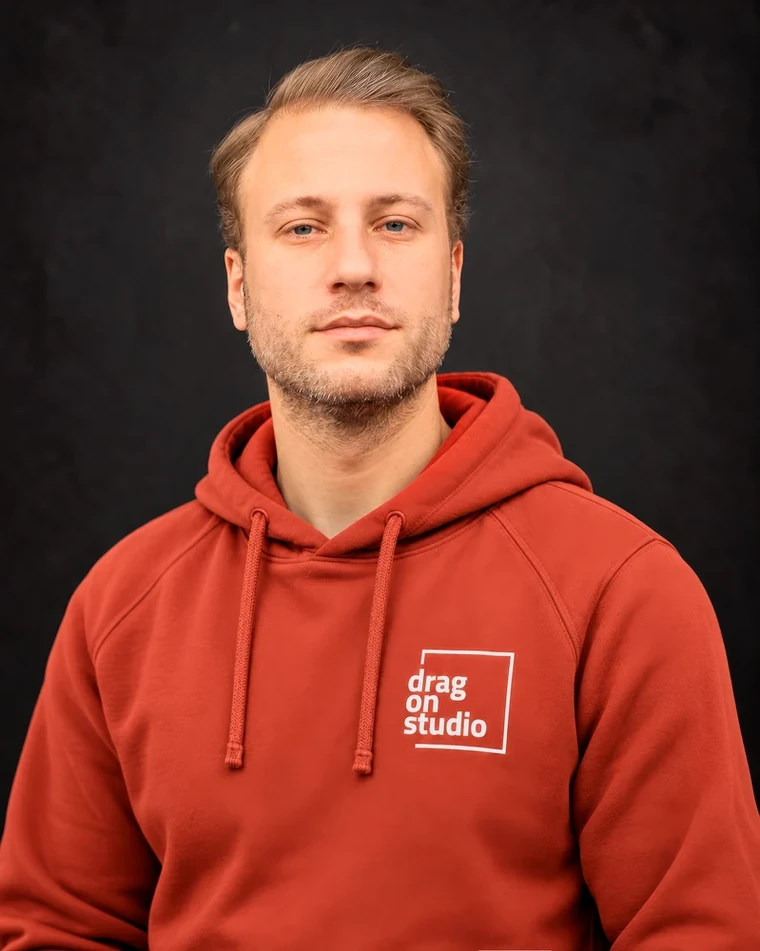
Different expertise,one shared direction.

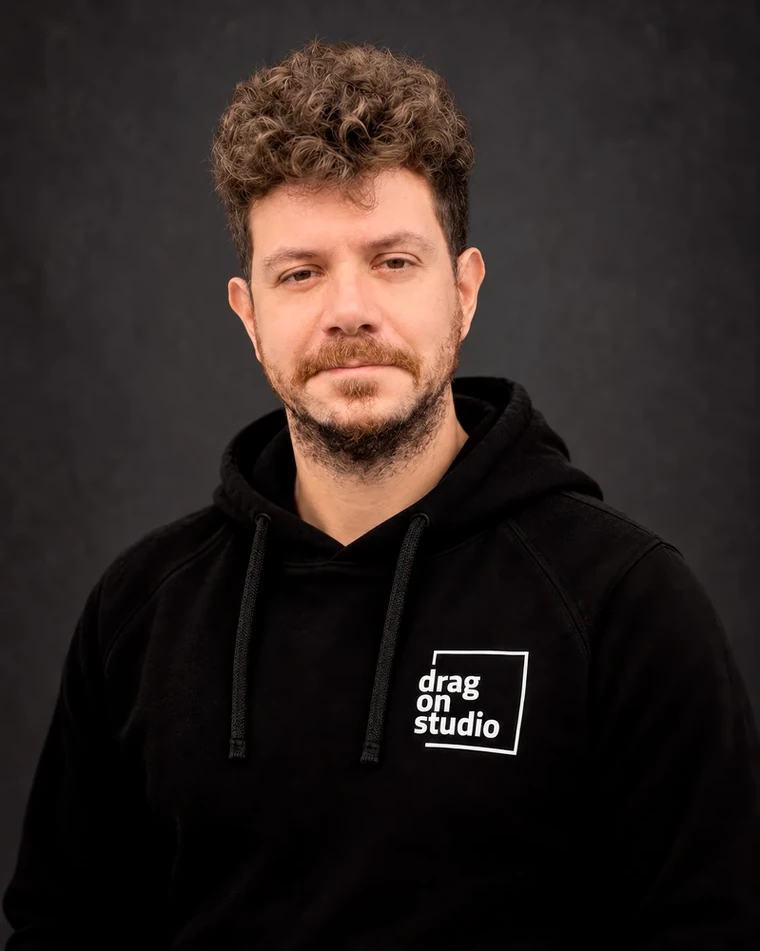
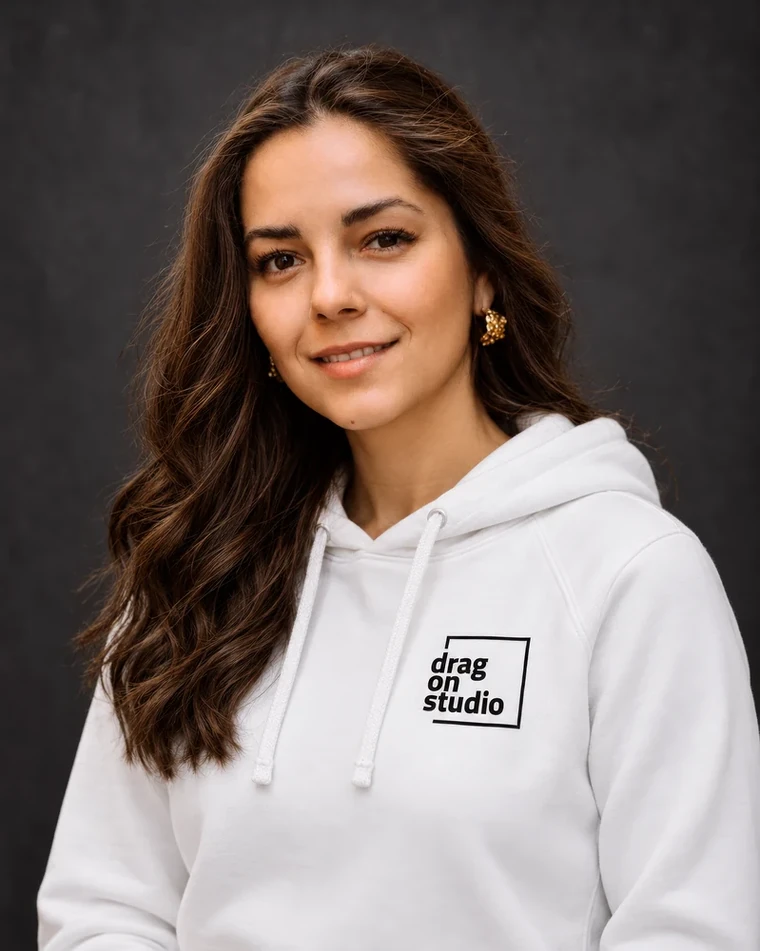
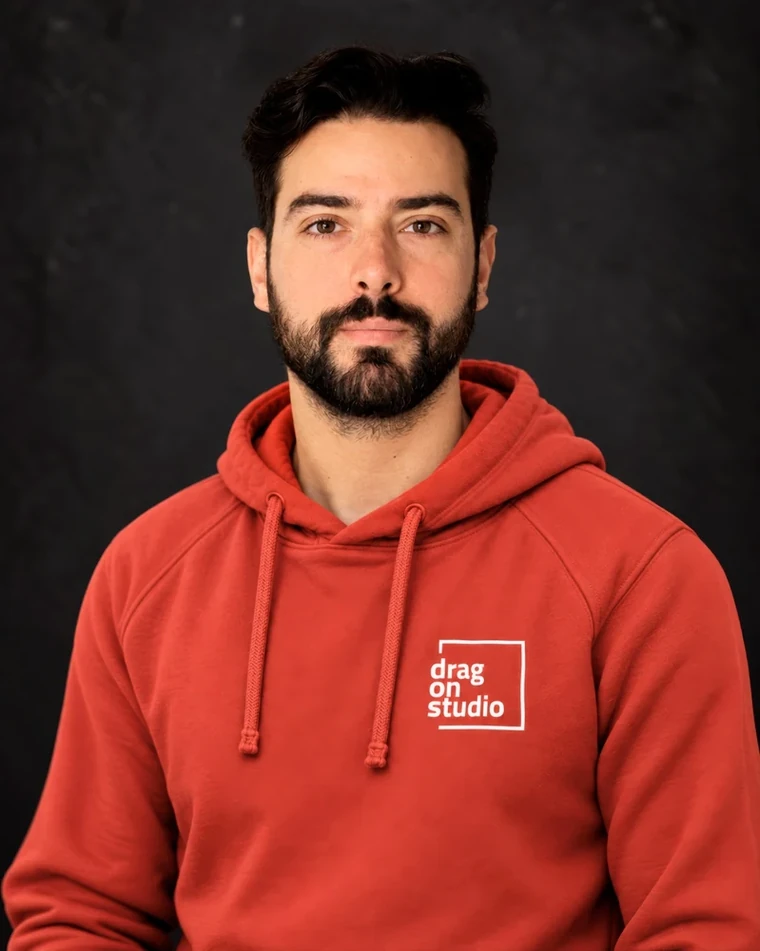
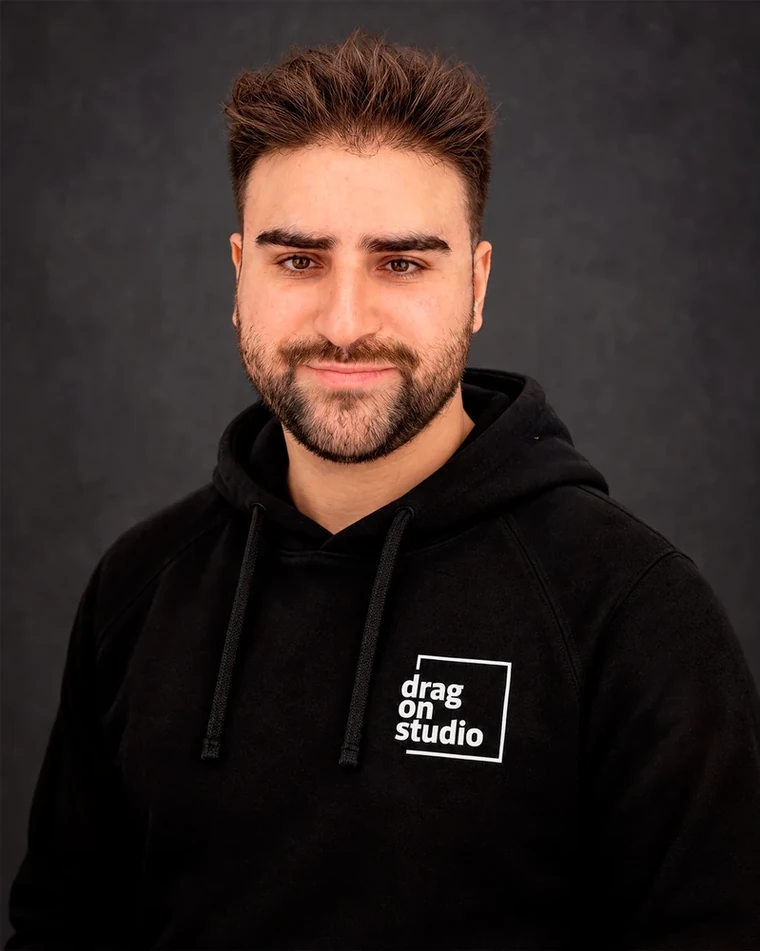
Art direction, design, web development and content work together, from the brief to delivery. Each project combines dedicated expertise with a shared vision.
How we work

Which services does the studio offer?

Communication strategy and campaigns, brand identity, social media management, websites and ecommerce, AI imagery and video, video and motion design, editorial production and professional training. We coordinate the expertise around the work required.

How does a project start?

Write to us or complete the brief with your business, objectives, materials and timing. We review the context and define a proposal covering scope, priorities and practical next steps.

Where can I see the work?

The portfolio brings together websites, ecommerce, publications and visual concepts. Project pages show descriptions, materials and scope, distinguishing AI concepts from work delivered for clients.

How do communication, marketing and advertising differ?

Marketing defines objectives, audiences and positioning; communication shapes messages and identity; advertising develops them into campaigns and promotional materials. Coordinating these areas keeps the brand, content and digital presence consistent.

03 / STUDIO

Where ideas take shape.

Our operational studio in Fuorigrotta is where we develop projects and meet clients and collaborators. Appointments provide time to discuss objectives, review materials and establish priorities, so we can understand the context and define the next stages of the work together.

Drag On Studio’s operational studio in Naples

Drag On Studio’s operational studio is at Via Giovanni Chiarini 11/13, in the Fuorigrotta district of Naples. We meet by appointment for project discussions, presentations and material reviews. Contact the studio to arrange a suitable date and time for your visit.

Operational studioVia Giovanni Chiarini 11/13 · 80125 Napoli
AvailabilityBy appointment · operational review · material assessment
AccessFuorigrotta · Naples
Open in Google Maps
GOOGLE MAP / OPERATIONAL STUDIO

Via Giovanni Chiarini 11/13.

Open in Google Maps
04 / CONTACT

Let’s build something worth noticing.

To start a project, share an outline of the business, your objective and indicative timing, together with any materials already available. The initial discussion helps establish the scope and expertise required, so we can prepare a proposal with defined activities and priorities.

BRIEF / 01

What do you have in mind?

You do not need all the answers yet. A few details are enough to start the conversation.

Add optional details

DRAG ON STUDIO LAVORI 01 / 01